
Quick answer: For most winter days, the best socks are made mainly of wool or a wool/synthetic blend, because these materials stay warmer than cotton when your feet get a little damp. Synthetic fibers such as polyester, nylon and acrylic dry quickly and add durability, while cotton is best kept for indoor or mild days. Choose a thickness that fits comfortably inside your boots: a sock that squeezes your foot can make you feel colder, not warmer.
Socks are the easiest and least expensive way to change how warm your feet feel in winter. The same pair of boots can feel very different with the wrong socks. Below we break down the common sock materials, how thick your winter socks should be, and how to match socks to your footwear.
Why material matters more than thickness
Feet sweat, even in cold weather, and boots trap that moisture. When a sock gets damp, it holds less warm air and your feet start to feel cold. That's why the fiber matters: some materials keep insulating when slightly damp, and others lose most of their warmth once wet. A thick cotton sock can feel colder after an hour of walking than a thinner wool-blend sock.
Winter sock materials compared
Merino and other wool
- Pros: stays warm when slightly damp, soft (especially merino), resists odor better than many fibers, good across a wide range of temperatures.
- Cons: pure wool is less durable at the heel and toe and can shrink if washed hot; many people find coarse wool itchy.
- Best for: long walks, outdoor work, winter hikes and anyone whose feet run cold.
Wool/synthetic blends
- Pros: the most practical option for many people. Wool gives warmth, while nylon or polyester adds strength and helps the sock keep its shape. A bit of elastane (spandex) keeps it from sliding down.
- Cons: quality varies a lot; check the fiber percentages on the label.
- Best for: everyday winter wear, commuting and travel.
Synthetic fibers (polyester, nylon, acrylic)
- Pros: dry quickly, durable, usually affordable and easy to wash.
- Cons: can hold onto odor more than wool; warmth depends heavily on the knit and thickness.
- Best for: active use, liner socks and people who prefer an easy-care sock.
Thermal and heat-reflective knits
Some winter socks use special yarns or knits meant to trap or reflect body heat. For example, our Thermal Comfort Socks (3 pairs) have aluminized threads woven into a soft knit, according to the product page. They are thin and flexible, so you can wear them on their own or as a layer under your regular socks, and they are machine washable.
Cotton
- Pros: soft, breathable, inexpensive.
- Cons: absorbs moisture and dries slowly, so it feels cold once damp.
- Best for: indoors, short dry trips, or mild days. For long outdoor time, choose something else.
How thick should winter socks be?
Thicker is not automatically warmer. Warmth comes from trapped air, and a sock that is too thick for your boot compresses that air and can make your toes feel cramped and cold. A practical approach:
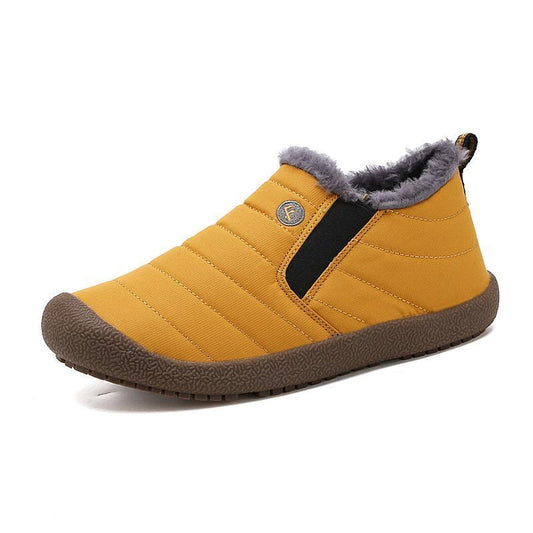
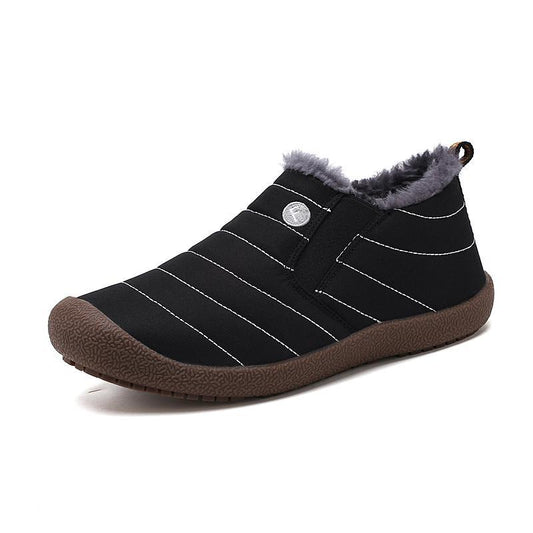
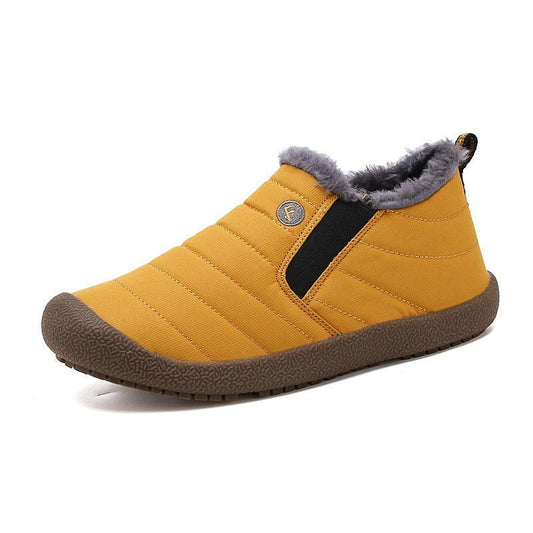
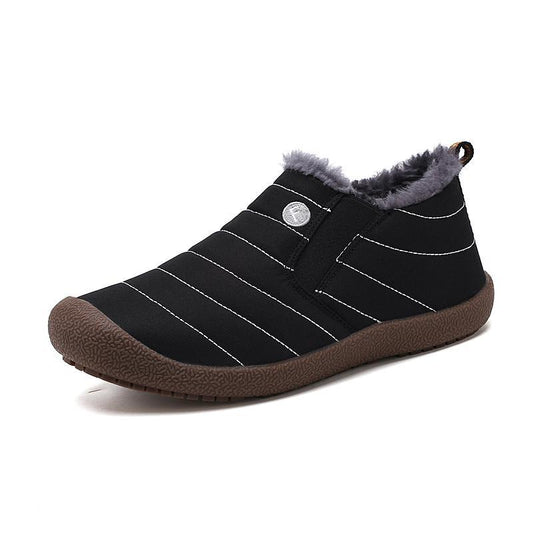
- Light or midweight socks work well in fleece-lined winter shoes and boots, which already add a warm layer.
- Heavyweight socks make sense for long periods outdoors, but only if your boots have room for them.
- Layering a thin liner under a midweight sock is an option when you need more warmth without one bulky sock.
If you plan to wear thick socks all winter, take that into account when choosing boot size. Our guide on how winter boots should fit covers when sizing up makes sense.
Matching socks to your footwear
- Fleece-lined ankle boots and winter casual shoes: a midweight wool blend is usually plenty for commuting and errands.
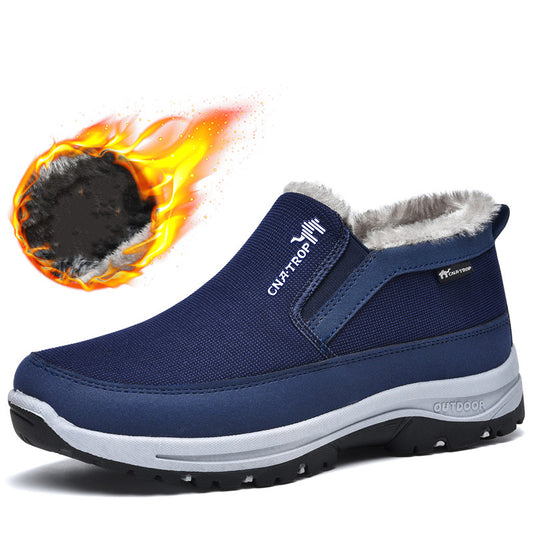
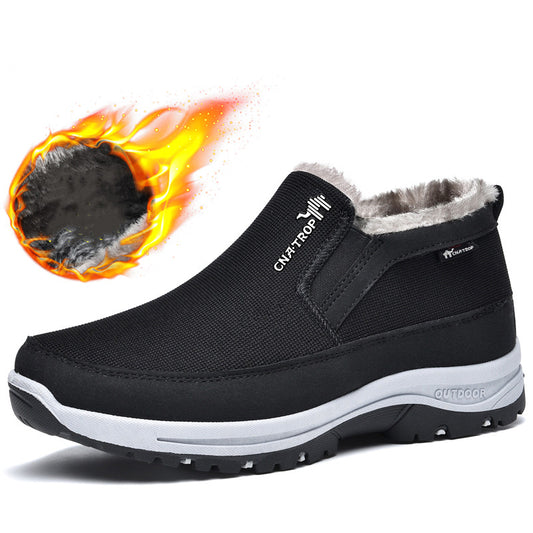
- High-top winter boots for snow: choose a sock tall enough to rise above the boot collar so it doesn't rub, and consider a warmer weight for long outdoor time.
- Walking or hiking shoes in cold weather: a cushioned wool blend helps, but leave room in the toe box.
Browse warm footwear in our men's winter boots or the full Winter Shop.
What to look for: a quick checklist
- Mostly wool or a wool/synthetic blend for outdoor days
- Little or no cotton if you'll be out for a while
- A thickness that fits your boots without pressure on the toes
- Sock height that clears the top of your boots
- Reinforced heel and toe for durability
- A snug but not tight cuff that stays up
- Care instructions you're happy to follow
- At least one spare pair to swap into if your feet get damp
Care tips to keep winter socks working
- Wash wool and wool-blend socks inside out on a gentle, cool cycle, and follow the label on drying.
- Let socks dry completely before wearing them again.
- Rotate pairs so each one has time to recover its shape.
- Dry your boots between wears too; damp boots make any sock feel cold. See our guide on how to keep your feet warm in winter for more tips.
FAQ
Are wool socks itchy?
Coarse wool can be. Fine merino wool and wool blends are usually much softer. If wool bothers your skin, a thin synthetic liner underneath can help.
Should I wear two pairs of socks in winter?
It can work if you combine a thin liner with a regular sock and your boots have enough room. Two thick pairs usually squeeze the foot and feel colder.
Why are my feet still cold with thick socks?
The most common reasons are socks that are damp, too tight in the boot, or made of cotton. Try a thinner wool-blend sock, check that your toes can move freely, and make sure your boots are fully dry.
How many pairs of winter socks do I need?
Enough to wear a fresh, dry pair every day plus a spare for wet days. For most people that means five to seven pairs for the season.
Note: if your feet stay cold, numb or painful even with warm socks and footwear, please see a doctor.