
Quick answer: To stop shoes from smelling, keep them dry and give them time to air out. Rotate between at least two pairs, wear clean moisture-wicking socks, take out removable insoles to dry overnight, and use an absorbent like baking soda or cedar shoe inserts between wears. Wash or replace insoles that keep holding odor.
Shoe odor is mostly a moisture problem. Feet sweat throughout the day, and when that moisture stays trapped inside a shoe, odor builds up in the lining and insole. In winter it can get worse: warm linings, thick socks and closed shoes worn for hours give moisture fewer chances to escape. The good news is that a few simple habits handle most cases.
Why shoes start to smell
Three factors usually work together:
- Moisture: Sweat soaks into socks, insoles and linings.
- Warmth: Insulated or lined shoes hold heat, which keeps the inside damp for longer.
- Not enough drying time: Wearing the same pair every day means it rarely dries out completely.
Fix the moisture and drying time, and odor usually becomes much easier to manage.
Daily habits that prevent shoe odor
1. Rotate your shoes
Give each pair at least a full day off between wears. Shoes can take more than one night to dry inside, especially lined winter styles. Having two pairs for daily use is one of the most effective changes you can make. If you are building a rotation, our men's walking shoes and men's winter casual shoes are a good place to start.
2. Wear the right socks
Socks are the first layer that handles sweat. Choose clean socks every day and favor materials that move moisture away from the skin, such as wool blends or synthetic performance fibers. Plain cotton holds moisture and can stay damp. Our guide to winter sock materials explains the differences in detail.
3. Air out shoes as soon as you take them off
- Loosen the laces and pull the tongue forward to open the shoe.
- Take out removable insoles and let them dry separately.
- Store shoes in an open, ventilated spot rather than a closed bag or a dark closet floor.
4. Keep your feet clean and dry
Wash your feet daily, and dry them fully before putting on socks, including between the toes. Starting the day with dry feet means less moisture going into your shoes.
How to deodorize shoes that already smell
Baking soda overnight
Sprinkle a light layer of baking soda inside each shoe, or place it in a thin sock or paper envelope, and leave it overnight. Shake or vacuum it out the next day. Baking soda helps absorb odor and some moisture.
Cedar inserts or absorbent sachets
Cedar shoe trees or inserts absorb moisture and leave a light wood scent. Charcoal-style deodorizer bags and dry tea bags are other simple options to leave inside between wears.
Wash or replace the insoles
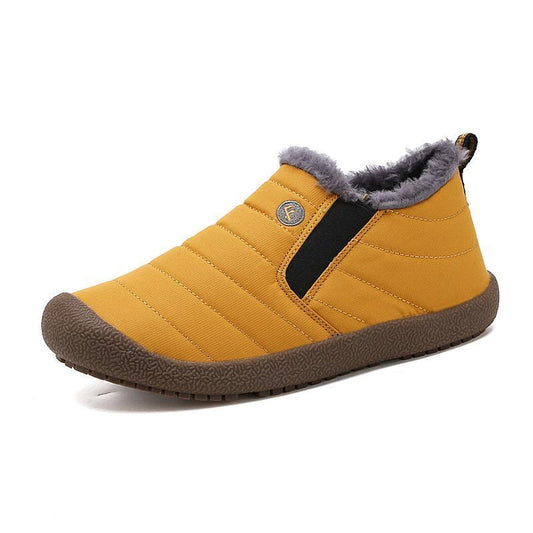
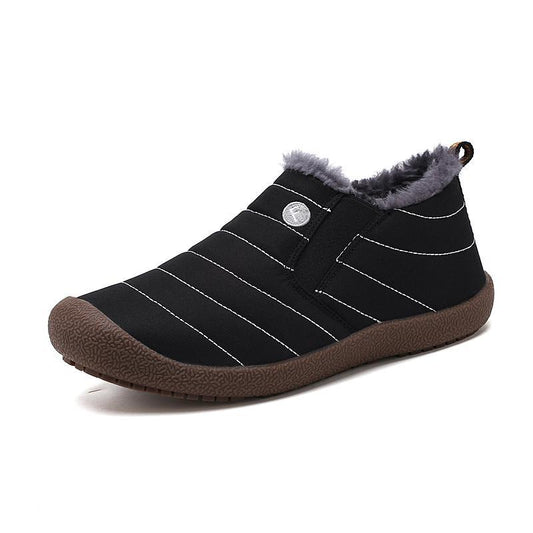
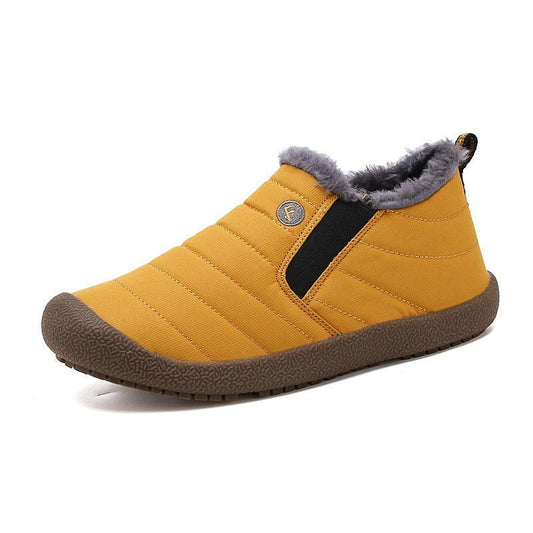
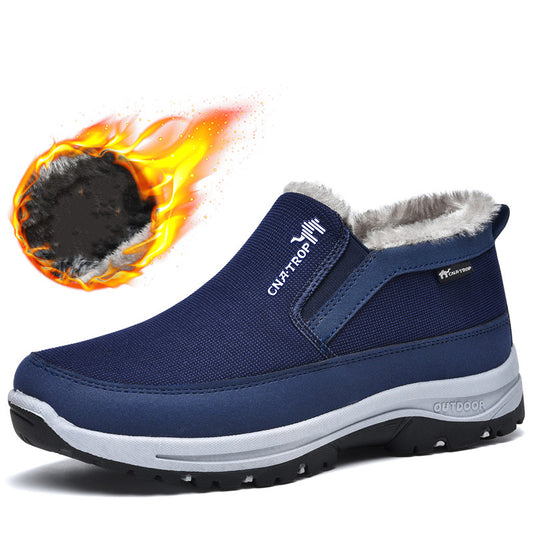
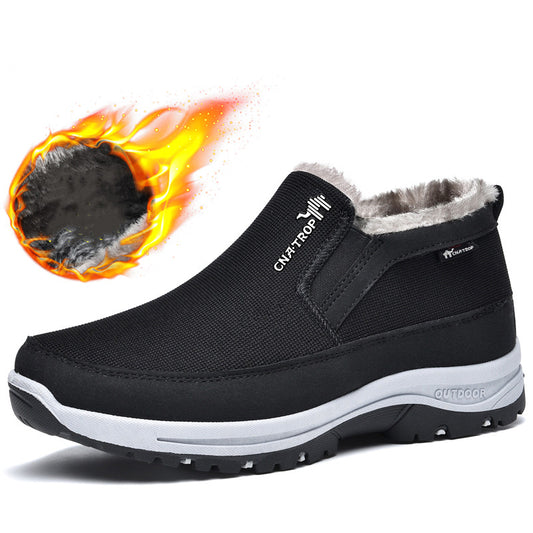
The insole absorbs more sweat than any other part of the shoe. If it is removable, hand-wash it with mild soap and lukewarm water, press out the water with a towel and let it air-dry fully before putting it back. If an insole still smells after washing, replacing it is often easier than trying to rescue it. Shoes with a removable insole, like the Men's Warm Slip-On Winter Shoes, make this step much simpler.
Clean the inside lining gently
Wipe the inside with a damp cloth and a small amount of mild soap, then a cloth with plain water. Do not soak shoes unless the care instructions say they can be washed. For fleece or plush linings, brush the fibers gently once dry so they do not mat.
Freezing: helpful, but limited
Some people seal shoes in a plastic bag and leave them in the freezer overnight. It can reduce odor for a while, but it does not remove sweat residue, so treat it as a short-term fix and combine it with cleaning and drying.
Drying shoes safely
Wet shoes smell faster, so dry them properly after rain, snow or a sweaty day. Stuff them with newspaper or paper towels, change the paper after an hour or two, and let them dry at room temperature. Avoid placing shoes directly on a radiator or heater, and skip the clothes dryer unless the label allows it; high heat can damage glue, linings and soles. For step-by-step methods, see How to Dry Wet Shoes Fast Without Ruining Them.
Extra tips for winter boots and lined shoes
- Fleece and plush linings feel warm but hold moisture longer, so give lined shoes more drying time.
- Take boots off indoors rather than wearing them for hours in a heated room, where feet sweat more.
- Bring a spare pair of socks for long days and change them midday if your feet feel damp.
- Knock off snow and wipe away slush before it melts into the shoe.
Checklist: stop shoe odor
- Rotate pairs so each one gets at least a day to dry
- Wear clean, moisture-wicking socks every day
- Remove insoles and open shoes up after each wear
- Use baking soda, cedar or absorbent sachets overnight
- Wash removable insoles regularly and replace worn ones
- Dry wet shoes at room temperature, not on direct heat
- Store shoes in a ventilated space
When to replace your shoes
If a pair still smells after cleaning, insole replacement and thorough drying, the lining and foam may be holding odor deep inside. At that point, replacing them is often more practical. You can browse current styles in our men's shoes collection.
Note: Ongoing foot odor together with itching, peeling, redness or skin changes can have other causes. If that happens, please see a doctor or pharmacist for advice.
FAQ
Does baking soda really help with smelly shoes?
Baking soda helps absorb odor and some moisture when left in shoes overnight. It works best alongside regular drying, clean socks and washing the insoles.
How often should I wash shoe insoles?
For shoes you wear daily, washing removable insoles every few weeks is a reasonable routine, or sooner if they start to smell. Always let them dry fully before reinserting.
Why do my winter boots smell more than my summer shoes?
Lined winter boots hold heat and moisture, are worn with thicker socks, and often stay on for longer. Less ventilation means they need more time to dry between wears.
Can I put smelly shoes in the washing machine?
Only if the care label says they are machine washable. Many shoes, especially lined winter styles, can lose shape or have glued parts loosen. Hand-clean the lining and wash the insoles separately instead.